
Reading dossier · Edition: September 6, 2026
Five connected questions, nine stories. About 5 minutes for this guide; follow individual articles as your curiosity takes you.
A capable model still needs supervision. A faster chip still waits on another stage. A power plant still needs a grid connection. Follow what has to work around a breakthrough before anyone can rely on it.
Read this as a connected essay, or jump to a question. For a short introduction to Vastkind, use Start here. This dated dossier does not update automatically; Story updates follows later developments.
1. Can it take responsibility for a piece of work?
Handing over a task starts with deciding what a successful result would look like. What may the system change? What evidence should come back? When should it ask for help? These are useful questions even before choosing a model.
- What work should you hand over to Astra? Start here if you are deciding what to delegate. The useful boundary is a task whose result you can inspect and accept.
- Claude went into the lab. The bubbles needed a human. Follow the handoff between a model’s instructions and an experiment that has to work in physical equipment.
- Robot recovery: how should the next action be chosen? Continue into recovery: how should an automated system respond when the world does not match the plan?
Our editorial question for this path: does automation reduce the work required to reach an acceptable result, including the work of noticing and correcting errors? A polished demonstration is an invitation to ask that question precisely.
2. Does the speedup survive the whole job?
A computer can improve dramatically at one stage while a person still waits on another. The useful exercise is to draw the timing boundary yourself: from submitting the task to receiving a result you can use.
- Why Nvidia is pairing GPUs with a different kind of AI chip Follow the request, the first token and the completed response. The timeline explains where a faster stream can save time.
- IBM’s quantum speedup starts between calculations Change the share of an imaginary job that gets faster and calculate the resulting total. Then return to the hardware claim with a better question.
The comparison we want to see next holds the job and acceptable result steady, then measures the complete experience. That makes the gain useful to someone making a decision.
3. Can the physical system deliver?
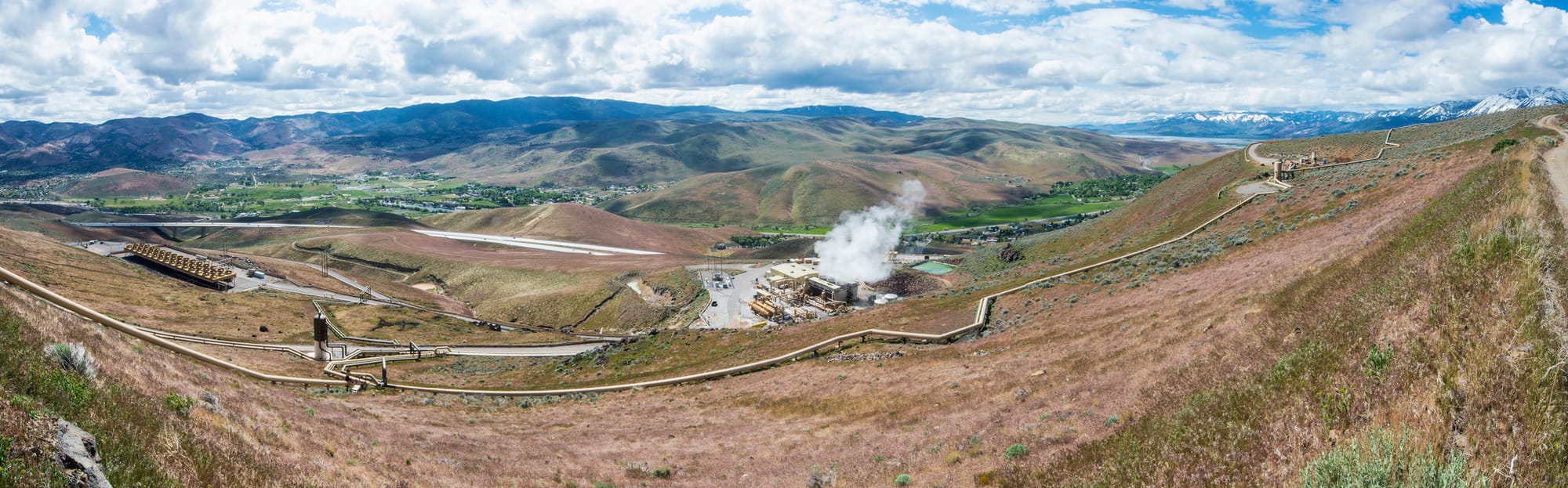
More capable computing also depends on ordinary physical work. Equipment needs a site, electricity needs a route, and a plant needs to demonstrate how it behaves when connected. The commercial promise and the operating system deserve separate attention.
- Google’s geothermal deal puts the power plant first Use the project ledger to separate an earlier buildout, a new commitment and capacity that remains conditional.
- Horsham’s solar farm is built. Its grid tests come next. Walk from installation through connection and commissioning to future operation. The quiet engineering work becomes easier to see.
| Milestone date | What the source reports | How to read it |
|---|---|---|
| August 24, 2026 | Nvidia announces LPX full production. | Hardware announcement; examine the deployment and workload separately. |
| August 31, 2026 | IBM publishes its Nighthawk r2 update. | Manufacturer performance claims; define the whole experiment. |
| August 26, 2026 | Google agreement signed. | A commitment to later delivery. |
| September 3, 2026 | Horsham connection announced. | Commissioning begins; complete operation remains a later milestone. |
Health asks a different version of the question
The same care with evidence matters in medicine, but a hardware benchmark is not a clinical trial. Read our semaglutide lifespan analysis for the distinction between separate experiments and what can be inferred from them. Read our daraxonrasib analysis for the importance of the population studied, the comparison and the outcome measured.
These articles explain research, not treatment choices. A result can be scientifically valuable while leaving a different question unanswered. We want readers to see exactly which question was tested.
What would make us revisit this dossier?
A documented task completed with less supervision. A timing comparison with clear accuracy requirements. Operating evidence that replaces a construction target. A stronger study addressing the uncertainty an earlier study left open. Those are the developments we would follow through these reading paths.
We are interested in the moment an idea acquires consequences: when somebody can build with it, rely on it, or make a better decision because of it. That is the connection between these stories, and the perspective we intend to keep bringing to Vastkind.
If a question or a public primary source would improve this dossier, send it to Vastkind. For the publication’s approach to evidence and corrections, see our editorial standards.
Produced with AI-assisted research, drafting and editorial checks; publication authorized by Vastkind’s publisher. No separate human fact-check or independent experiment or site inspection was performed.