AI Wants the Grid. Who Pays When the Boom Walks Away?
Ohio wants data centers to carry their own grid burden. The emerging rules expose the AI boom’s uncomfortable question: who pays when promised demand becomes public infrastructure?
Trace the path from an energy breakthrough to dependable supply: generation, storage, grid connections and the costs that shape who benefits from new infrastructure.
Jump to the latest articles ↓Three places to begin. Selected for the questions they help you answer.
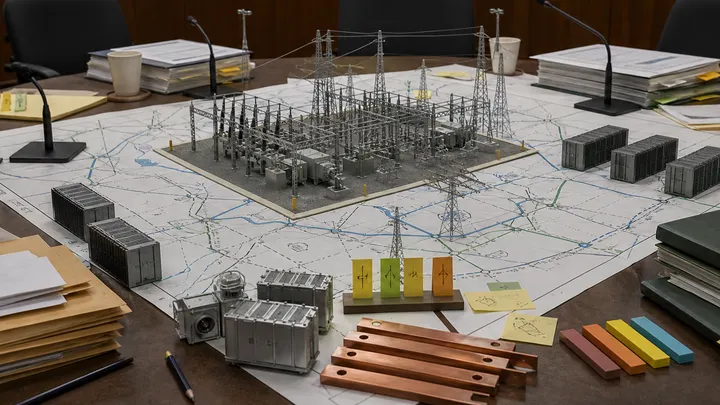
The AI buildout may be limited by the parts of the grid nobody can manufacture fast enough.
· 7 min readThe panels are installed and the grid is connected. A dated status guide explains the less visible work before Horsham’s complete project can operate.
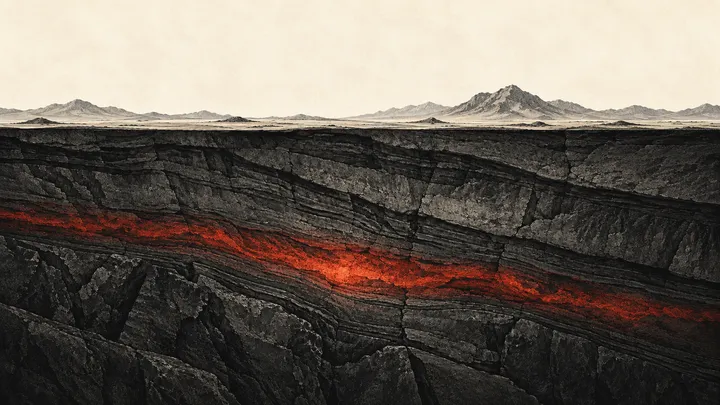
· 3 min readAn earlier plant, a new contract and a conditional expansion: our dated project ledger separates the stages of Google’s geothermal bet.
· 3 min readOhio wants data centers to carry their own grid burden. The emerging rules expose the AI boom’s uncomfortable question: who pays when promised demand becomes public infrastructure?
Google’s satellite model makes invisible emissions easier to investigate. Its confidence labels reveal why a striking map needs a careful reading.
Carbon removal is becoming the hidden credibility layer of net zero. The 2026 CDR signal is not that one technology has won. It is that the rules, data, standards, finance, and coordination system remains immature.
EIA’s AEO2026 does not prove an AI power crisis. It does something more useful: it makes data-center server energy use visible as a modeled planning object.
AT&T's copper fight is not just about old landlines. It shows how technology transitions strand costs, duties, and users after most people move on.
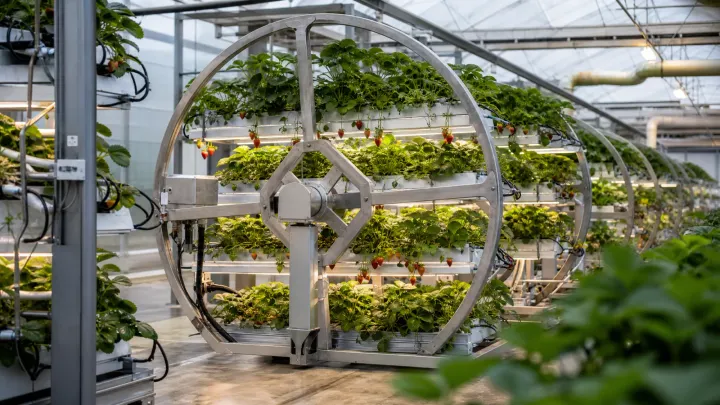
Dyson's strawberry system is not just a novelty farm. It shows how food production is becoming engineered, automated, and tied to energy infrastructure.
AI’s electricity problem has moved beyond power contracts. The next phase is about who controls the grid territory and utility assets that compute depends on.
Methane satellites are making climate claims harder to hide behind. The real shift is not observation. It is enforceable evidence.
AI’s next constraint may not be chips or models, but access to boring, firm, clean electricity that can run all night.
A consequential story, the evidence behind it and the connection that makes it matter. A short read, with room to think.
Occasional editions. Free to subscribe. Unsubscribe anytime.