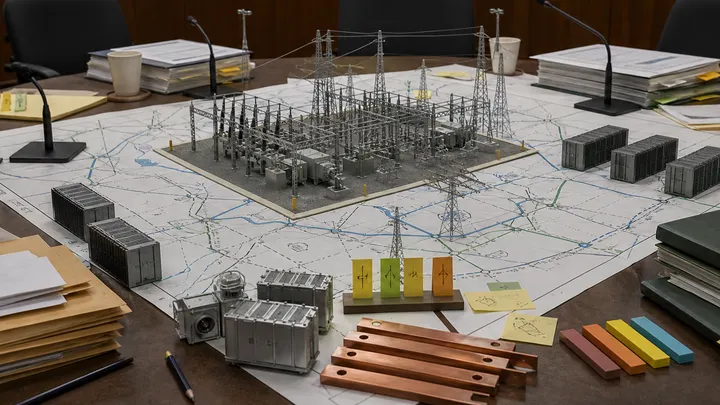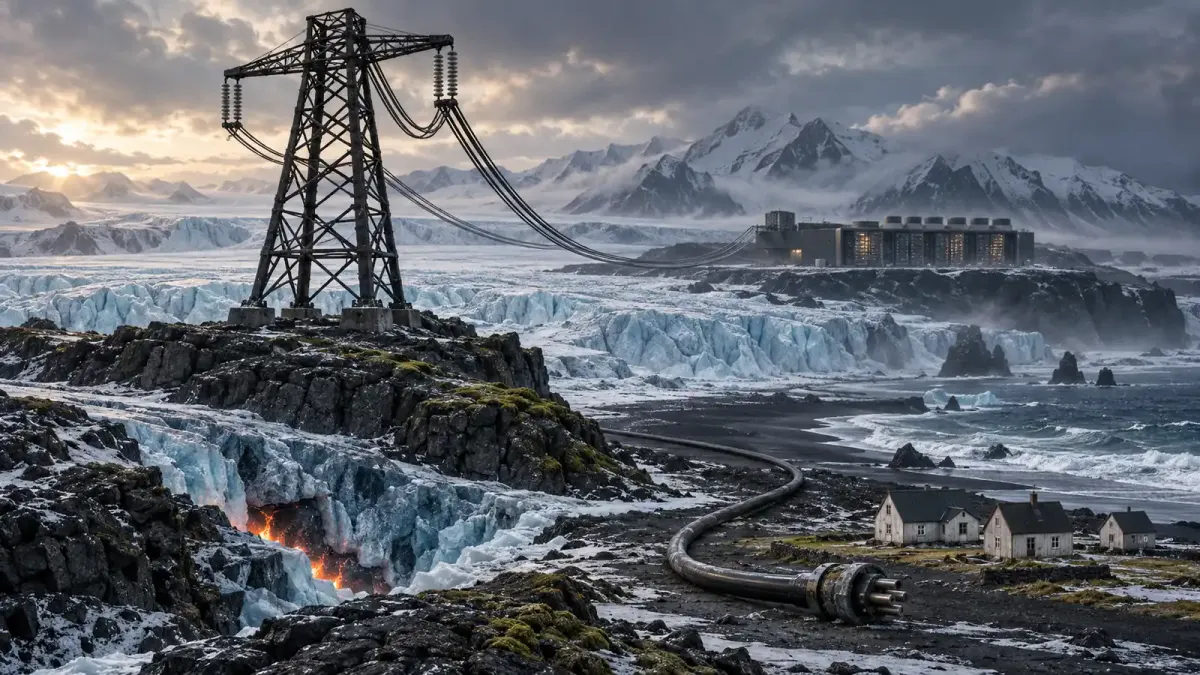
An AI campus can promise enormous demand before it has bought its last server. A power grid has to decide which promises deserve actual steel, substations and generating capacity.
That gap is where private ambition can become somebody else’s bill.
On September 3, Ohio’s utility regulator sharpened the argument: federal regulators should focus proposed restrictions on data centers and cryptocurrency miners while leaving traditional manufacturers outside them. Ohio also wants data centers to bear the costs of a proposed capacity backstop. PUCO, September 3, 2026.
What happened to the June promise?
When Vastkind examined FERC’s data-center docket in June, the commission had promised action but had not announced its approach.
On June 18, FERC ordered the six regional grid operators it oversees to defend their arrangements for large electricity users or propose changes. Preventing cost shifting and making transmission costs transparent were explicit priorities. This opened regional proceedings; it did not create one finished national data-center tariff. FERC, June 18, 2026.
FERC would address cost shifting between transmission customers, while states retained responsibility for protecting retail customers. Federal action leaves another argument to be settled closer to home. FERC fact sheet, June 18, 2026.
Power comes with conditions
PJM’s August 13 proposal would establish an Interim Resource Adequacy Service for eligible new large loads without sufficient qualifying capacity. During dangerous supply shortages, affected areas would face earlier demand reductions. PJM would also maintain a registry of large loads. PJM, August 13, 2026.
The details prevent a seductive oversimplification. PJM would direct reductions across utility areas; states and utilities would identify affected customers. Its fact sheet defines large loads as having combined peak demand of at least 50 megawatts. Possible compensation and retail cost allocation add further decisions. PJM proposal fact sheet.
The federal notice records an August 13 filing and a requested October 12 effective date. That is a requested date, not evidence of approval. Ohio’s September 3 statement describes the proposal as still under consideration. Federal Register, August 18, 2026.
Ohio wants to choose who carries the risk
PJM’s proposed category is based on demand size. Ohio wants it narrowed to data centers and crypto mining, arguing that including traditional manufacturing would obstruct domestic production. That is the regulator’s position, not an exemption already granted. PUCO, September 3, 2026.
Two facilities can demand comparable electrical service while offering different local benefits. But exemptions need an explanation: if one customer is excused from bearing a risk, regulators should identify who carries it instead.
A contract is harder to abandon than a forecast
AEP Ohio’s data-center tariff includes minimum-demand billing, financial-security requirements and cancellation protections. The initial contract lasts eight years plus a ramp-up period of up to four years. Before the target energization date, its letter of agreement requires reimbursement of buildout costs if a customer cancels or delays the project by more than twelve months. These provisions cover AEP Ohio customers under this tariff; they are not universal American rules. AEP Ohio, tariff terms.
Minimum payments do not mean a campus consumes electricity it never needs. Reserving and building capacity creates obligations that can survive a disappointing business plan.
The missing megawatts matter
AEP Ohio’s February snapshot shows how requests narrowed as financial commitments increased. AEP Ohio, February 13, 2026.
| Stage | Requested or contracted power (MW) |
|---|---|
| Initial requests | More than 30,000 |
| Paid engineering studies | 13,022.7 |
| New binding contracts | 5,642 |
AEP attributes the narrowing to commitments filtering uncertain projects; that is the utility’s interpretation, not an independent measurement of future consumption. Requests, signed contracts and operating demand are different things. A giant queue is neither a guaranteed boom nor a reason to build every requested asset.
The bill needs an owner
There are legitimate disputes over these protections. The Electric Power Supply Association argues that PJM’s preference for new capacity would disadvantage existing resources and distort competition. Its September 3 protest underlines that the framework is contested. EPSA, September 4, 2026.
Vastkind’s view: scrutiny should follow who funds construction, who pays if demand disappears, and who reduces consumption when power becomes scarce. Answering one does not settle the others. Nor does any proposal examined here prove that household bills will fall.
The AI buildout’s credibility improves when its promoters accept enforceable obligations alongside the opportunity. A promise of future intelligence should come with a present-day address for the invoice.
Source-based analysis; no original interviews or independent tests.